The Case for Small and Consistent
There's a common assumption that meaningful change requires a major overhaul — a new routine, a dedicated program, or a significant block of time carved out of an already busy schedule. In practice, most people find that small, practical habits, done consistently over weeks and months, create a more lasting sense of balance than any ambitious plan.
This page explores everyday office wellness habits that are genuinely achievable — not because they're trivial, but because they're designed to slot into what you already do without requiring anything extra from you.
Morning Habits to Start the Day Well
How you begin your workday can set a tone that carries through to the afternoon. These habits are light enough to be realistic, even on difficult mornings.
Begin With Water
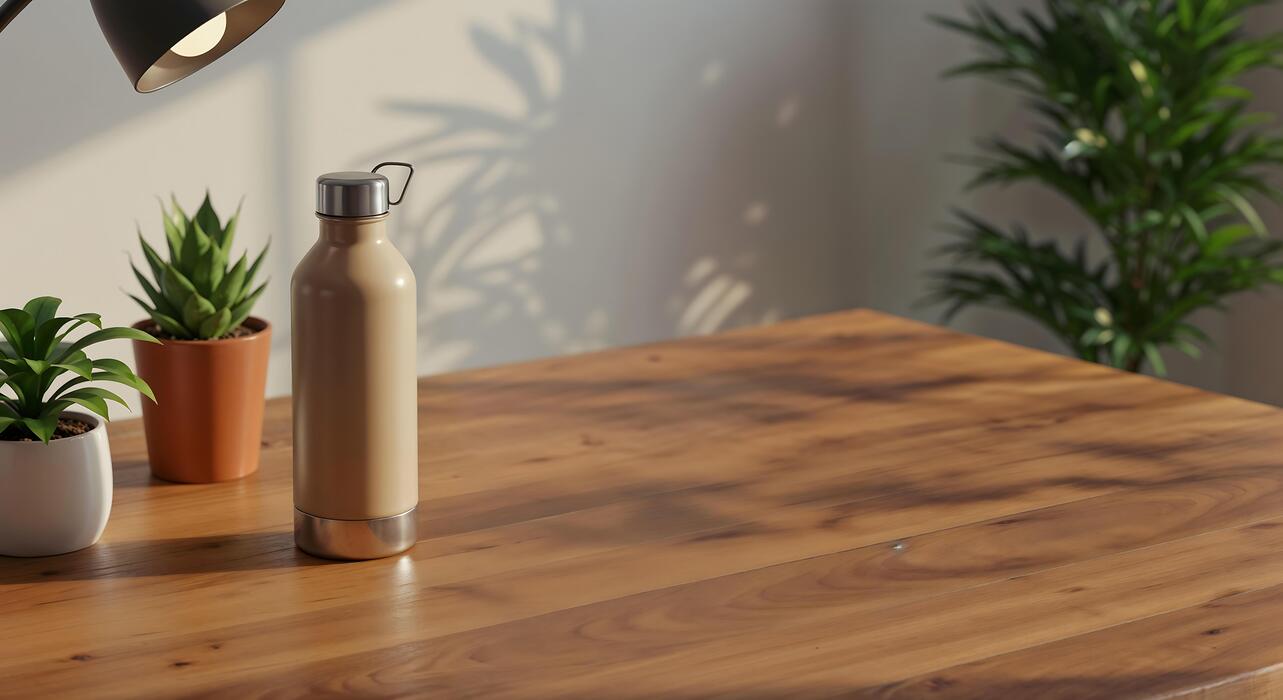
Keeping a water bottle at your desk and starting your morning with a glass before reaching for coffee is a small habit with a noticeable effect on how alert you feel in the first hour.
Set Three Priorities
Before opening your inbox, spend two minutes writing down the three things that would make today feel worthwhile. This brief act can reduce the sense of being pulled in too many directions.
Seek Natural Light Early
If possible, position yourself near a window in the morning or take a brief outdoor walk before sitting down. Natural light in the first part of the day can support a more alert and positive state.
Delay the Inbox (Even Slightly)
Waiting 15 to 30 minutes before checking email or messages gives you a window to orient yourself to your own priorities before responding to the demands of others.
Desk and Posture Habits Throughout the Day
Your physical environment and posture during working hours can have a quiet but cumulative effect on how you feel by the end of the day. These habits don't require expensive equipment.
Adjust Your Seating Position Regularly
Rather than trying to maintain a single "correct" posture, shifting your position throughout the day is generally more beneficial than staying locked in one place.
Screen at Eye Level
If your screen is consistently below eye level, propping it up with a stand or a few books can reduce neck strain over a long working day.
A Small Plant on Your Desk
Many people find that having something living in their immediate environment — even a small succulent — creates a subtle sense of calm in their workspace.
Manage Notifications Proactively
Setting specific windows for checking messages, rather than responding to every notification as it arrives, can reduce a sense of mental fragmentation during deep work.
End-of-Day Wind-Down Habits
How you close the workday matters, particularly if you work from home and don't have a physical commute to act as a natural transition. A brief end-of-day ritual can help you shift from work mode to personal time more easily.
- Write a brief note of what you accomplished — not what's left undone — to close the day on a positive note.
- Tidy your desk or digital workspace as a physical signal that the workday is over.
- Log off from work apps and, if possible, put your work devices in a drawer or different room.
- Take a short walk or change your environment in some way to mark the transition.
- Acknowledge one thing that went well, however small — a way of recognising your own effort.
A Practical Approach to Building Habits
The research on habit formation consistently points in one direction: the easier and more automatic a behavior becomes, the more likely it is to stick. Here are a few principles worth keeping in mind:
Start with one. Trying to introduce multiple new habits at the same time is one of the most common reasons they don't take hold. Choose the single habit that appeals most and give it two to three weeks before adding anything else.
Attach it to something existing. Pairing a new habit with something you already do reliably — like your morning coffee or the end of a scheduled meeting — removes the need to remember or decide. The existing habit becomes the prompt.
Make the environment work for you. Put your water bottle in front of your keyboard. Keep your journal on your desk. Place your walking shoes by the door. Small environmental adjustments reduce friction and make the habit the path of least resistance.
Be gentle when you miss a day. Missing once is fine. Missing twice is the beginning of a pattern worth noticing. But a single missed day is just a missed day — returning to the habit the following morning is all that's needed.